
Can a Small YouTube Channel Actually Get Sponsors? (My $400K Answer)
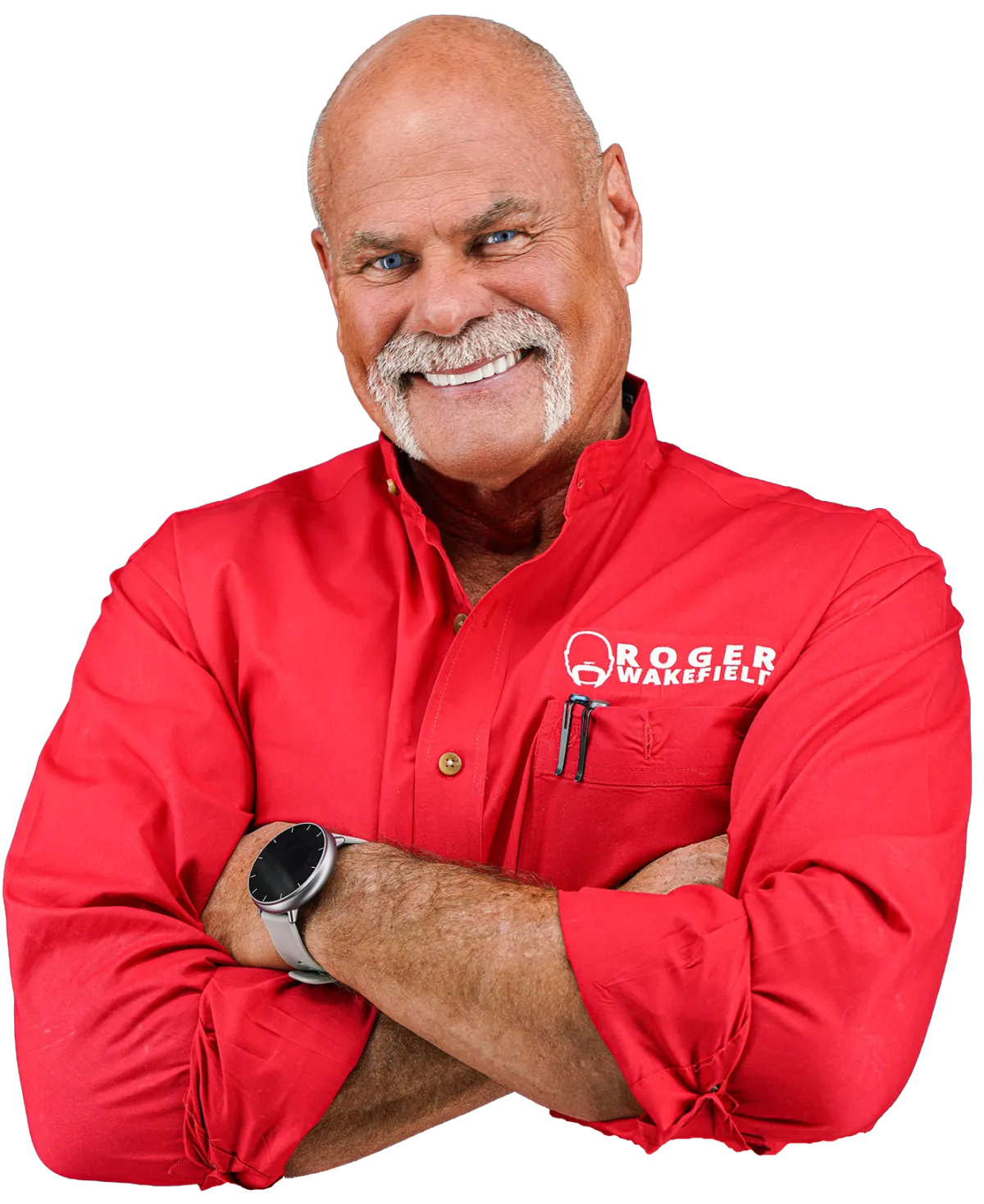
Yes — a small YouTube channel can get sponsors, and you do not need to be big to land a real deal. I started my first major sponsorship conversation at around 10,000 subscribers and closed a deal worth nearly $400,000 for one year before I crossed 50,000 subscribers. Brands buy your audience's trust and fit, not your subscriber count.
I'm Roger Wakefield. I built one of the largest trades-focused followings on the internet — about 1.7 million people across platforms — but here is the part most creators get wrong: I landed one of my biggest deals when my channel was small. So when someone tells me "I'm too small to get sponsors," I know from experience that the number in their head is the wrong number to be worried about.
Let me walk you through exactly how small channels get sponsored, what brands actually look at, and how to land your first deal, even if you're sitting under 10,000 subscribers right now.
Do you need a lot of subscribers to get a YouTube sponsorship?
No. You do not need a large subscriber count to get a YouTube sponsorship. Brands increasingly prioritize engagement, audience fit, and niche relevance over raw follower numbers. A channel with a few thousand highly engaged viewers in a defined niche is often more valuable to a sponsor than a much larger channel with a disengaged audience.
The data backs this up. Research from Influencer Marketing Hub has found that a large share of influencer marketing campaigns target nano-influencers — creators with fewer than 10,000 followers — because their audiences tend to convert better. Brands have noticed that a smaller, trusting audience often outperforms a big, passive one.
Here is the mental shift that matters: a sponsor is not buying "subscribers." They are buying outcomes — clicks, signups, sales, trust transferred from you to them. A 5,000-subscriber channel whose viewers act on a recommendation is worth more to the right brand than a 200,000-subscriber channel whose viewers scroll past. Once you understand that, your channel size stops being a wall and starts being a detail.
What do sponsors actually look for in a creator?
Sponsors look for audience fit, engagement, and clear positioning — not just size. They want to know your viewers match their target customer, that those viewers actually watch and respond, and that your content has a defined topic so the brand knows exactly who they are reaching. A focused small channel beats a broad large one.
When a brand evaluates a creator, the questions running through their head are simple:
- Does this audience look like our customer? Demographics, location, and interests matter more than a follower total.
- Do these viewers actually engage? Watch time, comments, and click-throughs signal a living audience.
- Is the niche clear? A channel that obviously serves one topic is an easy yes. A channel that's about "a little of everything" is a hard maybe.
- Does the creator drive action? Past results, even small ones, prove you can move people.
Notice that "how many subscribers" is not the first question. It's barely on the list. That's the leverage point for a small channel: you can win on fit and engagement long before you win on size.
How did I close a $400,000 deal with a small channel?
I closed a sponsorship worth nearly $400,000 for one year by starting the conversation early — at roughly 10,000 subscribers — and proving audience fit and trust rather than waiting until my numbers looked "big enough." The deal was signed while my channel was still under 50,000 subscribers. I actually told them: if I get over 50,000 subscribers, my number is going up. It came from positioning and a clear pitch, not from a huge follower count.
Here's the honest version of the story. I wasn't a household name. I was a master plumber making videos that genuinely helped people, talking to an audience that trusted my expertise. When I approached the conversation, I didn't lead with "look how big I am." I led with "look at who watches me, look at how much they trust me, and look at how well that lines up with what you sell."
To be clear about what this means for you: that result was my result. It is what was possible for me given my niche, my audience, and the specific brand fit — not a typical or guaranteed outcome, and not a promise of what any individual creator will earn. What it proves is the principle: the conversation can start, and a serious deal can close, well before you think you're ready. The size in your head is not the gatekeeper you believe it is.
How do you land your first brand deal when you're still small?
To land your first brand deal as a small creator, get clear on your niche and audience, build a simple media kit with your real numbers, list brands that already fit your content, and pitch them directly with a short, specific email. Start before you feel ready — early conversations build the track record that lands bigger deals later.
Here's the path I'd give any creator starting from a small channel:
1. Define your audience in one sentence. "I help [specific people] with [specific thing]." If a brand can instantly see who they'd reach, you're already ahead of most creators.
2. Build a media kit with honest numbers. Your average views, audience demographics, engagement rate, and any other assets (email list, other platforms). Real and specific beats inflated and vague every time.
3. Make a list of brands that already fit. Products you use, brands already sponsoring creators in your niche, companies whose customer is your viewer. Warm fit closes faster than cold reach.
4. Pitch directly and specifically. A short email that says who your audience is, why it matches their customer, and what you're proposing. No fluff.
5. Start now, not at some future milestone. Early deals, even small ones, build the proof that makes the next, bigger deal easier. Waiting until you "feel big enough" just delays the track record you need.
The hardest part isn't the size of your channel. It's getting the pitch and the positioning right — and doing it consistently enough that the deals start coming.
How much can a small channel charge for a sponsorship?
Small channels typically price sponsorships using their average views, not subscriber count. Common ranges run from a few hundred dollars for nano-channels (1K–10K subscribers) into the low thousands for micro-channels (10K–50K), with niche driving rates significantly — finance, tech, and B2B audiences command higher rates than general entertainment.
The key is to price on value delivered, not vanity metrics. A practical starting point many creators use: take your average views per video, divide by 1,000, and multiply by a niche-appropriate rate. But the real number depends on your niche, your engagement, and what the brand is trying to achieve — awareness pays differently than conversions.
This is exactly the kind of thing creators leave money on the table over, because they guess instead of calculate. Knowing your real value before you walk into a conversation changes everything about how that conversation goes.
Stop waiting until you're "big enough"
Here's what I want you to take away from this: the number you keep staring at — your subscriber count — is the wrong thing to wait on. I closed the biggest deal of my early career while my channel was small, because I understood that brands buy fit and trust, not follower totals. You can start that same conversation today.
The thing that stops most creators isn't their size. It's that building a media kit, finding the right brands, finding the right person to email at that brand, figuring out your value, and writing a pitch that lands feels like a mountain of work — so they never start.
That's exactly why I built SponsorKit.Pro. It finds sponsors that fit your audience, builds you a professional, branded pitch deck, calculates what you're actually worth, writes your outreach email, and knows the right people to send it to — so the only thing standing between you and your first deal is hitting send. You can build your first pitch deck free.
It's your turn to be on top!
Frequently Asked Questions
Can you get sponsors with under 10,000 subscribers?
Yes. Brands work with creators under 10,000 subscribers when the audience is engaged and fits the brand's customer. Many influencer campaigns specifically target nano-influencers because smaller, trusting audiences often convert better than large passive ones.
How many subscribers do you need to get a YouTube sponsorship?
There is no fixed minimum. Sponsors care more about engagement, audience fit, and niche clarity than subscriber count. Creators have landed paid deals with a few thousand engaged subscribers in a focused niche.
What do brands look at besides subscriber count?
Brands look at average views, audience demographics, engagement rate (comments, watch time, click-throughs), niche relevance, and whether your viewers take action. Audience fit and trust matter more than raw size.
How do small creators find brands to pitch?
Start with products you already use, brands already sponsoring creators in your niche, and companies whose target customer matches your audience. Tools like SponsorKit.Pro can find and match fitting sponsors automatically.
How much should a small YouTube channel charge for a sponsorship?
Price on average views and niche rather than subscriber count. Nano-channels often charge a few hundred dollars and micro-channels into the low thousands, with niche, engagement, and deal type shifting rates significantly.
Written by Roger Wakefield, Founder of SponsorKit.Pro. Roger built a following of approximately 1.7 million across platforms and has closed major brand sponsorships, including a deal worth nearly $400,000. He has been featured on the Today Show, Dr. Phil, and NewsNation.


© 2026 SponsorKit.Pro · Dallas, TX · 972-362-9904 · [email protected] · All Rights Reserved.
Built and designed by Digivox Ai